
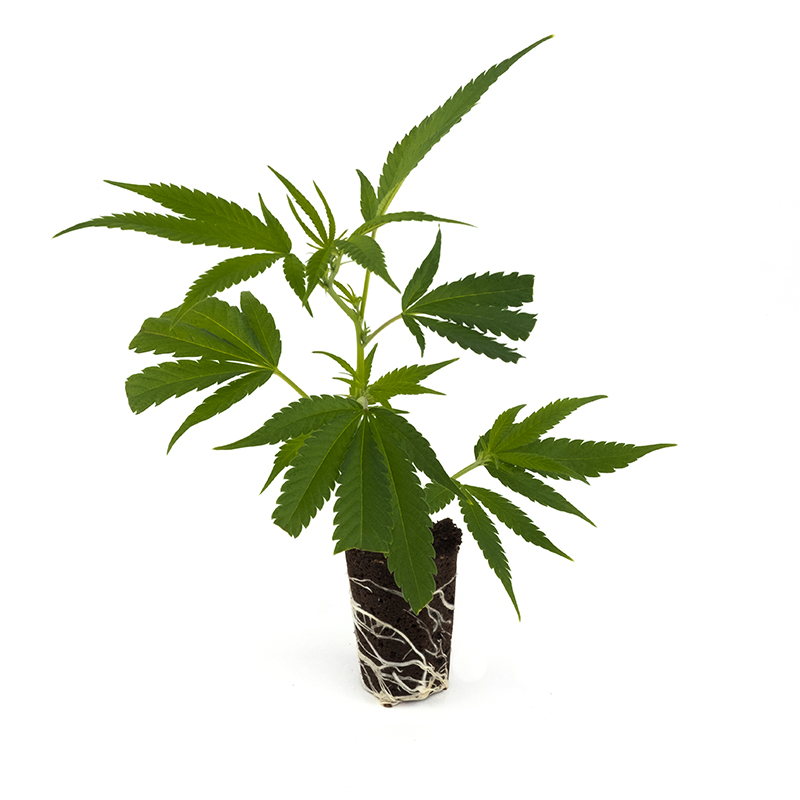
Serious Seeds | Strawberry AK | Piante Ornamentali

Da €30,00 iva inclusa
Serious Seeds | Strawberry AK | Piante Ornamentali
Serious Seeds ha perfezionato le varietà AK-47 e Bubble Gum, dando vita alla varietà Strawberry AK.
Si tratta di una varietà di medie dimensioni che sviluppa una forma ad abete durante la fase di crescita, dando priorità alla cima centrale come la sua progenitrice AK-47 durante la fioritura.
Produce grandi cime ricoperte di tricomi, con un intenso aroma di fragola. Strawberry AK è una genetica ricca di terpeni, perfetta per le estrazioni!
- Banca:Seriuos Seeds
- Incrocio:AK-47 x Bubble Gum
- Struttura: medio con internodi lunghi
- Tempo di fioritura: 9 settimane
- Raccolto outdoor: 1a/2a settimana di ottobre
- Indica/Sativa: 70% Sativa
- Profilo aromatico: sviluppa aromi e fragranze di fragola durante la fioritura
- Profilo terpenico: Terpinolene, Cariofillene, Pinene e Limonene
Sconti per quantità (contattateci per un preventivo)
- Da 51 a 100 pezzi € 12,50 cad.
- Da 101 a 500 pezzi € 11,00 cad.
- Da 501 a 1000 pezzi € 9,50 cad.
- Da 1001 a 2500 pezzi € 8,00 cad.
- Da 2501 a 10000 pezzi € 6,50 cad.
Serious Seeds has refined the AK-47 and Bubble Gum strains, resulting in Strawberry AK.
This medium-sized strain develops a fir-tree shape during the growth phase, prioritizing the central cola like its parent AK-47 during flowering.
It produces large buds covered in trichomes, with an intense strawberry aroma. Strawberry AK is a terpene-rich strain, perfect for extractions!
- Bank: Serious Seeds
- Cross: AK-47 x Bubble Gum
- Structure: Medium with long internodes
- Flowering time: 9 weeks Outdoor harvest: 1st/2nd week of October
- Indica/Sativa: 70% Sativa
- Aromatic profile: Develops strawberry aromas and fragrances during flowering
- Terpene profile: Terpinolene, Caryophyllene, Pinene and Limonene
Quantity discounts (contact us for a quote)
- From 51 to 100 pieces € 12,50 each
- From 101 to 500 pieces € 11,00 each
- From 501 to 1000 pieces € 9,50 each
- From 1001 to 2500 pieces € 8,00 each
- From 2501 to 10000 pieces € 6,50 each
Serious Seeds | Strawberry AK | Piante Ornamentali
ISTRUZIONI
1. TRAPIANTO
Consigliamo vivamente di trapiantare le talee nel terriccio o nel substrato più adatto al vostro sistema non appena le ricevete. Consigliamo di trapiantare le talee in vasi da 1,5-2 litri in modo che possano sviluppare un apparato radicale solido e una struttura della pianta più robusta prima di essere collocate nel vaso definitivo. Trapiantarle immediatamente in un vaso troppo grande può causare marciume radicale e rallentare o ostacolare la crescita della pianta. Questo processo le aiuterà ad irrobustirsi e ad attecchire prima del trapianto nel vaso definitivo.
2. ACCLIMATAMENTO
Acclimatare le talee alle nuove condizioni ambientali è essenziale per coltivare una pianta sana e per un ciclo di crescita di successo. Presso il vivaio, le talee vengono mantenute sotto un ciclo di luce di 24 ore. Si consiglia di mantenere le talee con un ciclo luce/buio di almeno 18/6 (18 ore di luce e 6 ore di buio) dopo averle ricevute. Nella struttura di clonazione, vengono mantenute a una temperatura di 21-24 gradi Celsius e un’umidità relativa del 69-75%. È possibile ridurre leggermente la temperatura e l’umidità entro una settimana per permettere alle talee di adattarsi all’ambiente della grow room.
Acclimatare le talee alla luce indiretta è fondamentale per evitare stress. La luce solare diretta o le lampade possono danneggiare una talea/pianta giovane, quindi è necessario ridurre l’intensità luminosa. Il modo migliore per farlo è utilizzare una serra, spostandole fisicamente dentro e fuori dalla struttura, oppure coprendole con una rete ombreggiante (30-40%) durante questo periodo di adattamento. La fase di acclimatazione dovrebbe durare solo una o due settimane, tempo sufficiente per rimuovere l’ombreggiatura o spostare le talee fuori dalla serra ed esporle alla luce diretta. Mantenere un flusso d’aria costante sulle piante contribuirà a irrobustirle alle condizioni naturali esterne e a rendere gli steli molto più robusti.
3. IRRIGAZIONE E NUTRIZIONE
Un errore molto comune è quello di annaffiare eccessivamente le talee. È fondamentale fornire loro una quantità d’acqua adeguata, ma senza saturarle completamente. È necessario un periodo di asciugatura per le talee. Per determinare il livello di umidità del terreno quando il vaso è leggero, stringete una piccola manciata di substrato e osservate se fuoriesce acqua. Se non fuoriesce acqua, è il momento ideale per annaffiarle abbondantemente, senza però saturarle eccessivamente. Questo metodo di irrigazione permette alle radici di cercare acqua e nutrienti nel vaso, creando un robusto apparato radicale.
Se alcune talee mostrano ancora segni di stress dopo il trapianto, anche fino a tre giorni dopo, potete annaffiarle nuovamente, assicurandovi però che la lana di roccia/RootRiot sia umida. A volte, anche se il terreno è umido, il cubetto di substrato si asciuga e l’acqua deve essere somministrata esclusivamente al cubetto. È necessario trovare un buon equilibrio tra lasciare asciugare le talee ed evitare che il fogliame mostri segni di stress. Questo può causare problemi di salute alle vostre talee.
Le talee possono essere nutrite a giorni alterni con un fertilizzante per la fase vegetativa a una concentrazione di 1100-1400 PPM, a seconda della velocità di assimilazione dei nutrienti (NOTA: ogni varietà è diversa). La frequenza di somministrazione dipenderà dal tipo di coltivazione (ad esempio, inorganica, organica, sintetica, idroponica, in terra, ecc.).
AVVISO
Le piante ornamentali offerte sono destinate esclusivamente a scopi decorativi e orticoli. L’acquirente è responsabile della verifica delle normative vigenti nella propria zona per garantire il pieno rispetto delle leggi locali.
Le piante sono prodotte e commercializzate nel rispetto delle normative italiane applicabili. È responsabilità del cliente assicurarne la conservazione e la gestione in conformità con gli scopi dichiarati.
Per mantenere le loro caratteristiche estetiche e vegetative, le piante devono essere tenute in un ambiente idoneo, dotato di un’illuminazione artificiale adeguata a supportarne la vitalità.
INSTRUCTIONS
1. TRANSPLANT
We highly recommend transplanting into the soil or medium that suits your system as soon as you receive your clones. We recommend transplanting clones into a 1.5-2 liter pot so that they can form a solid root and sturdier plant structure before being placed in their final pot. Immediately transplanting them into a pot that is too large can cause root rot to develop and slow or hinder the growth of your plant. This will help harden them off and establish themselves before they are transplanted into their final pot.
2. ACCLIMATATION
Acclimating clones to their new environmental conditions is essential to growing a healthy plant and having a successful cycle. While at the nursery, the clones are kept under a 24-hour light cycle. We recommend keeping them on at least an 18/6 light cycle (18 hours light and 6 hours dark) after receiving them. While in the cloning facility, they are kept at 21-24 degrees Celsius and a relative humidity of 69-75%. A slight decrease in temperature and humidity can be accomplished within a week to allow your clones to adapt to your grow room environment.
Acclimating clones to non-direct light is essential to avoid stress. Full intensity of sun or lamps can damage a younger clone/plant, so you will need to decrease the light intensity. The best way to do this is to use a greenhouse, physically move them in and out of the structure, or place shade netting (30-40%) over them for this adjustment period. The acclimation phase should only take a week or two and should be enough time to remove the shade or be moved out of a greenhouse to full light exposure. Maintaining a constant flow of air on your plants will help harden them to the natural conditions found outside and will help make the stems much stronger overall.
3. IRRIGATION AND NUTRITION
Overwatering clones is a very common mistake. It is essential to give your clones a healthy amount of water, but do not oversaturate them by submerging them. A dry-down period is necessary for clones. To determine the moisture content of the soil when the pot is light, squeeze a small handful of medium and observe if water drips. If no water is coming out, it’s a great time to give them a healthy watering without over saturation. This watering method allows the roots to search the pot for water/nutrients creating a sturdy root ball.
If you have some clones that are still showing stress after transplanting up to three days later, you can give them some water again, but you’ll want to make sure the Rockwool/RootRiot itself is moist. Sometimes, even if the soil is moist, the cube will dry out and water must be applied exclusively to the cube. You need to find a good balance between letting the clones dry out without allowing the foliage to show signs of stress. This can cause health problems for your clones.
Clones can be fed every other day a vegetative feed between 1100-1400 PPM depending on how quickly they are assimilating nutrients (NOTE: each strain is different). How often you need to feed them will depend on the type of growth you have (i.e., inorganic, organic, synthetic, hydro, soil, etc.).
DISCLAIMER
The ornamental plants offered are intended solely for decorative and horticultural purposes. The buyer is responsible for verifying the regulations in force in their area to ensure full compliance with local laws.
The plants are produced and marketed in compliance with applicable Italian regulations. It is the customer’s responsibility to ensure their conservation and management in accordance with the stated purposes.
To maintain their aesthetic and vegetative characteristics, the plants must be kept in a suitable environment, equipped with adequate artificial lighting to support their vitality.
Prodotti correlati

First Generation Clones
First Generation Clones


Piante ornamentali
Piante ornamentali

First Generation Clones



First Generation Clones

First Generation Clones
East Coast Sour Diesel | Dr. Greenthumb | First Generation Clone

First Generation Clones
Piante ornamentali

First Generation Clones

First Generation Clones
Piante ornamentali
Aficionado Estates | Black Lime Reserve | Piante Ornamentali
Piante ornamentali


First Generation Clones

Piante ornamentali

First Generation Clones

Talee / Cloni

Talee / Cloni